
What is emotional numbness?
Emotional numbness is a muffling of your emotional life. The feelings aren't exactly gone. The signal is turned down. You might watch something that should move you and feel almost nothing, or move through a good moment knowing you should be happy without quite reaching the happiness. Often it comes with a sense of distance: from yourself, from the people close to you, from your own days.
Also described as feeling emotionally flat, blank, or detached, the meaning is the same: present on the surface, muted underneath. It's a state your nervous system has settled into, not a verdict on who you are.
Signs and symptoms of emotional numbness
Numbness is quiet by nature, so it can be hard to spot from the inside. Some of the more common signs:
- Emotions feel muted or far away, so you're flat rather than sad or happy.
- Things that used to move you now barely register.
- You feel disconnected from people you love, even when nothing is wrong.
- You go through the motions and watch yourself do it, slightly detached.
- Good news and bad news both seem to arrive behind glass.
- You find yourself wondering whether something is wrong with you for not feeling more.
Emotional numbness vs. not caring
It helps to name what numbness is not. Emotional numbness is not the same as not caring. Not caring is the absence of investment; numbness is caring that you can't quite feel. The signal is muffled, not gone. Most people who feel numb still care deeply. They just can't reach the caring, which is its own quiet kind of distress, and the wanting-to-feel is usually still there underneath, trying to get through.
It's worth separating from its neighbours, too. Numbness often travels with a wider nervous-system shutdown: when the body drops into a low-power, protective mode, the flatness is one of the first things you notice. That broader pattern is what we call functional freeze, and learning to work with your stress response, nervous system regulation, is often what turns the dial back up.
What causes emotional numbness?
Emotional numbness is usually protective. When feeling everything has become too much to hold, whether through long stress, exhaustion, grief, or stretches of pushing through with no space to process, the system does something sensible: it turns the volume down so you can keep going. Numbness isn't the absence of feeling so much as feeling held at a distance to make the load survivable.
The catch is that the dial doesn't always turn back up on its own once the pressure passes. The muffling can stay long after it was needed, which is why numbness can linger even when life looks, on paper, fine.
What helps, and how to start feeling again
Feeling tends to come back gently, and from the body before the mind. Trying to force emotion usually backfires. Pressure to feel reads as more threat, and the system stays shut. What tends to help instead:
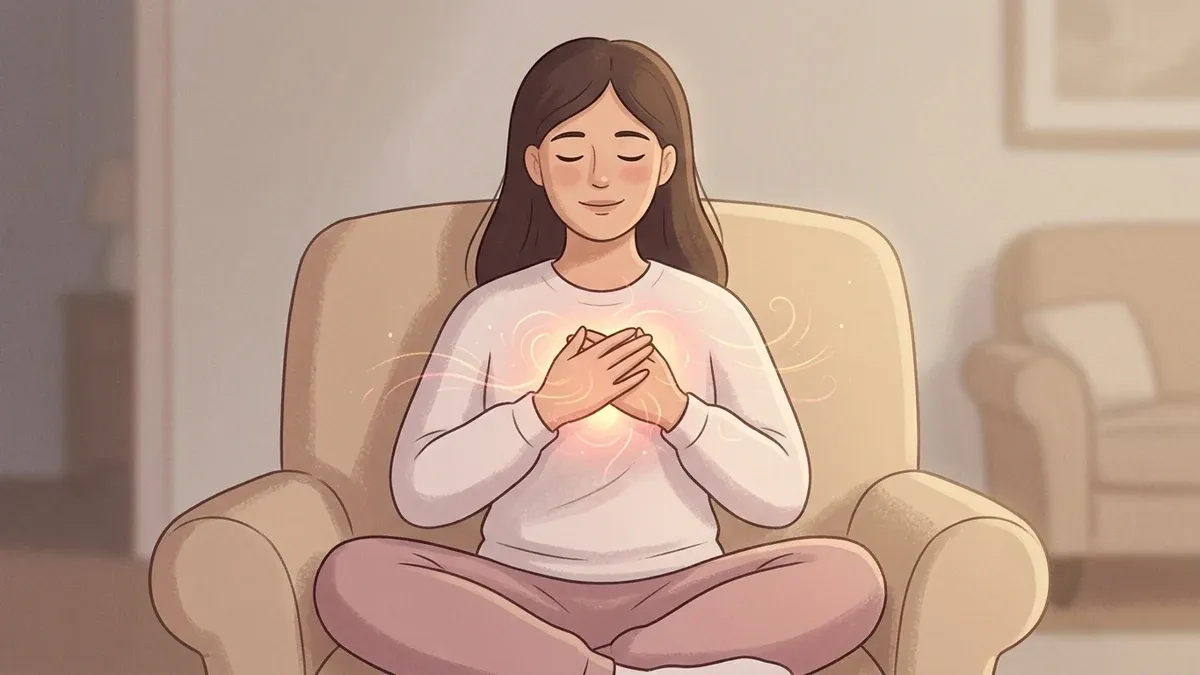
- Small, physical noticing. Warmth, breath, the feel of your feet on the floor. Sensation is the doorway feeling comes back through.
- Tiny daily check-ins. A one-minute pause to ask what, if anything, is here, without needing to fix or name it perfectly.
- Lowering the bar. The goal isn't a flood of emotion. It's a flicker. Flickers are how it returns.
- Consistency over intensity. A small daily practice moves more than an occasional big one, and it's gentler on a system that's already protecting itself.

This is the layer Tuun is built for: a daily card, five to seven minutes, with one small body-based move and one small action, designed to bring sensation back online slowly, without demanding you feel anything you can't yet reach. If you want to look closer first, the emotional numbness self-check is a gentle place to start.
How long does emotional numbness last?
There's no fixed timeline. A passing flat stretch after a hard week is ordinary and usually lifts on its own. Numbness becomes worth closer attention when it has settled in for weeks or months, when it's pulling you away from people and things you used to value, or when it sits alongside a sense of hopelessness. None of that means something is wrong with you. It means the protective response has been switched on for a while and could use some support.
Tuun is built to be that gentle, daily support, but it isn't a substitute for professional care. If the numbness feels heavy, persistent, or frightening, talking with a doctor or therapist is a good next step, and you can do both at once.