
What is nervous system regulation?
Your body has an internal system that shifts you between alert and at ease, speeding you up to meet a demand, then bringing you back down once it passes. Regulation is how well that return trip works. When your system is regulated, stress still happens, but you settle again afterward. When it is not, you get stuck at one end: revved up and unable to switch off, or powered down and unable to start.
The aim is not to feel calm all the time. That is neither possible nor the point. The aim is flexibility: the capacity to be moved by life and then find your way back to steady. That capacity is trainable.

How to regulate your nervous system
You regulate your nervous system mostly by sending your body small, repeated signals that it is safe to settle, not by thinking your way calm or forcing it through willpower. The system listens to the body more than to the mind, and it responds to little cues delivered often, far more than to big efforts delivered rarely. A few of the most reliable signals:
- Slow the exhale. Breathing where the out-breath is longer than the in-breath is one of the clearest "you are safe" messages you can send your body, and it works within a minute or two.
- Move gently. A short walk, a stretch, a shake-out of the hands and shoulders. Movement helps discharge the energy that stress leaves behind.
- Ground through your senses. Name what you can see, hear, and feel. Cool water on your face or hands. Bringing attention to the present pulls you out of the spin.
- Keep steady rhythms. Regular sleep, meals, and daylight give the system a predictable scaffold, which makes settling easier by default.
- Borrow calm. Being around steady, safe people is regulating in itself. Calm is contagious in the same way stress is.
The thread running through all of these is that they are small and repeatable. One slow-breathing minute today, again tomorrow, again the day after, will reshape how your system responds more than a single long session ever could. If you want a structured way in, our guide on the nervous system reset walks through a gentle starting sequence.
Nervous system regulation techniques and somatic exercises
These somatic exercises and tools are simple enough to do almost anywhere, no equipment required. Pick one, keep it small, and repeat it daily rather than chasing the perfect routine:
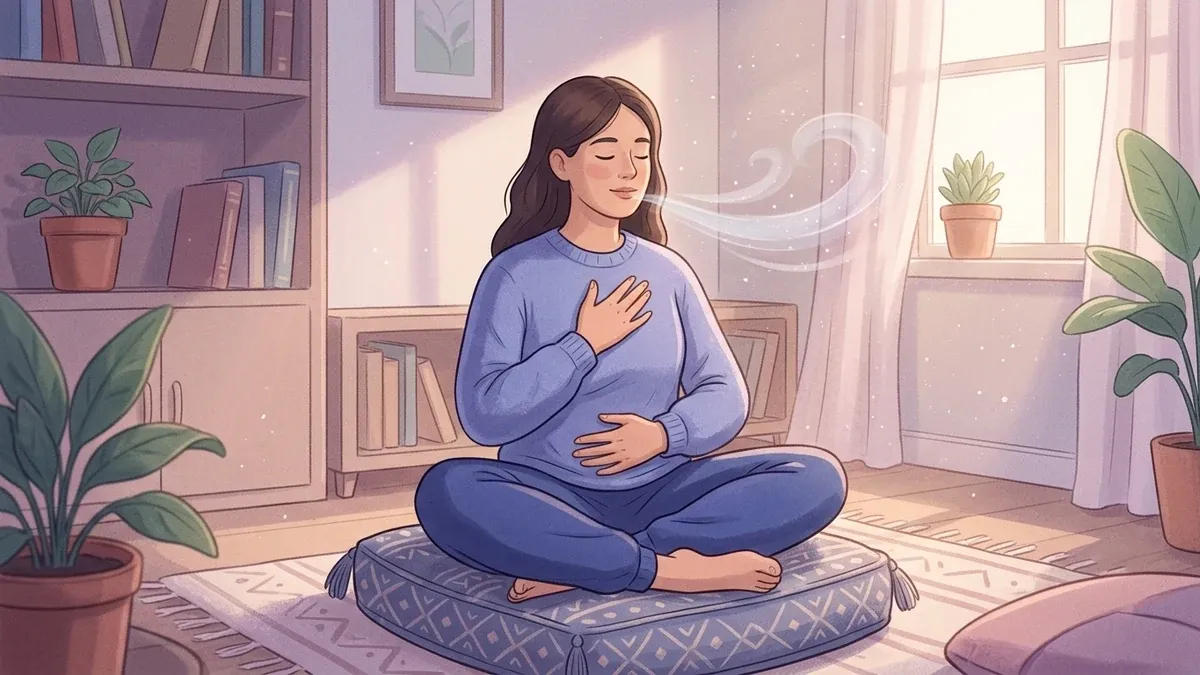
- Long-exhale breathing. Breathe in for a count of four, out for a count of six or eight. Repeat for one to two minutes.
- Feet on the floor. Sit, plant both feet, and slowly notice the contact, the weight, the support underneath you.
- Orienting. Slowly turn your head and look around the room, letting your eyes land on whatever feels neutral or pleasant. This quietly tells the body the environment is safe.
- Gentle shake or stretch. Thirty seconds of loosening the hands, arms, and shoulders to let held tension move through.
- Cool-water reset. Cool water on the face or wrists for a quick settling effect in a charged moment.
What a dysregulated nervous system feels like
Dysregulation usually shows up at one of two poles. The wired end feels like anxiety, restlessness, racing thoughts, being on edge, and not being able to switch off, the classic "tired but wired." The shut-down end feels flat, numb, heavy, and exhausted, with a sense of not being able to start even simple things. Many people swing between the two.
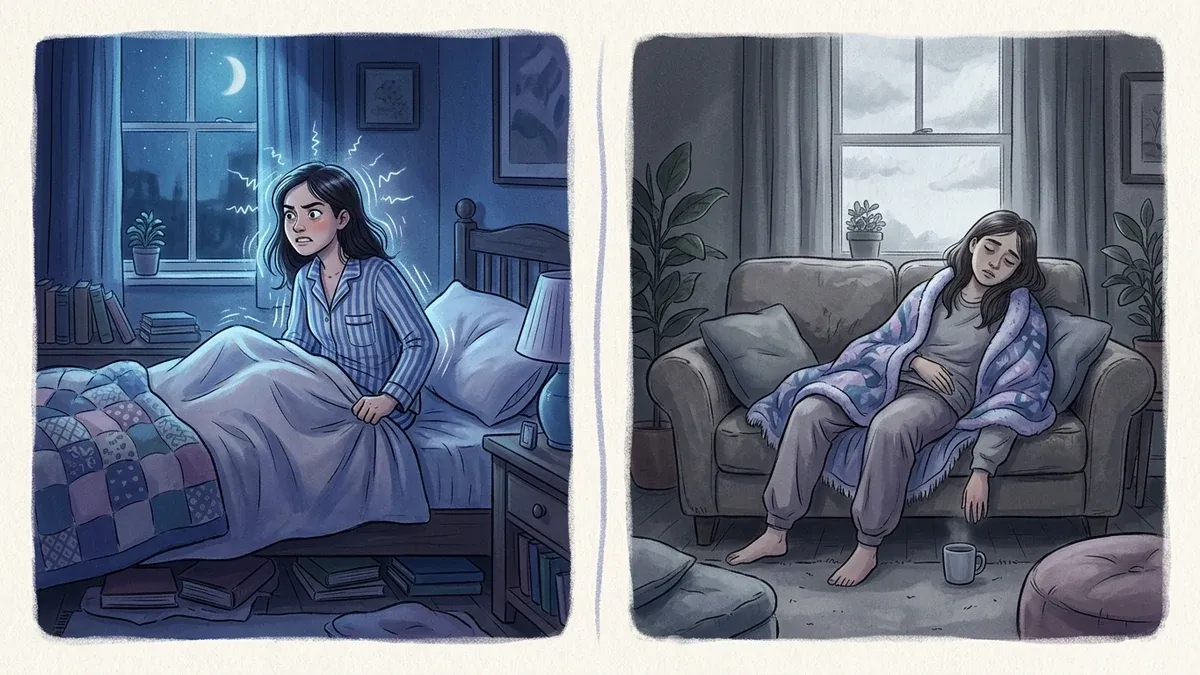
The shut-down end has a lot in common with functional freeze: the flatness, the not-being-able-to-begin, the emotional numbness of it. Either way, the underlying ask is the same: help the system find its way back to the middle.
How to retrain a dysregulated nervous system
Retraining a dysregulated system isn't a reset you do once. It's a slow re-teaching. Each small signal of safety, repeated, widens the range your body treats as normal, so it spends less time stuck at the wired or shut-down ends and finds the settled middle more readily. The work is gradual and measured in weeks and months, not minutes, which is exactly why the small-and-daily approach beats the occasional big effort. If distress or trauma runs deep, doing this alongside a professional is the wiser path.
Where Tuun fits
Tuun is built around exactly this kind of small, daily input. A card a day, five to seven minutes, calibrated to where you actually are: one small body-based move to settle the system, one small action to follow. It is designed to be doable on the days you are too wired or too shut down for anything bigger, because the dailyness is where the change lives.